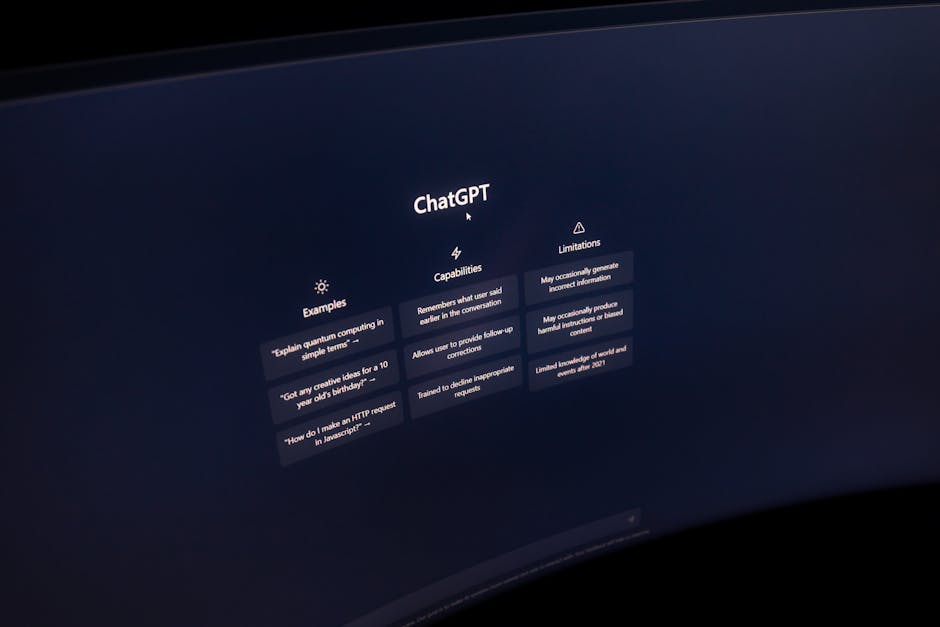
An in-depth comparison of Anthropic's Claude Opus 4.5 and OpenAI's GPT-5 across coding, reasoning, creative writing, and real-world application performance.
GPT-5.2 identified a pattern human physicists missed, conjectured a formula for gluon scattering amplitudes, then proved it—marking a shift from AI as research tool to AI as research partner. The result challenges a decades-old assumption about particle interactions.
OpenAI's GPT-5 has achieved a breakthrough in biotechnology by reducing the cost of cell-free protein synthesis through AI-optimized reaction conditions. The development could accelerate drug discovery and make synthetic biology more accessible.