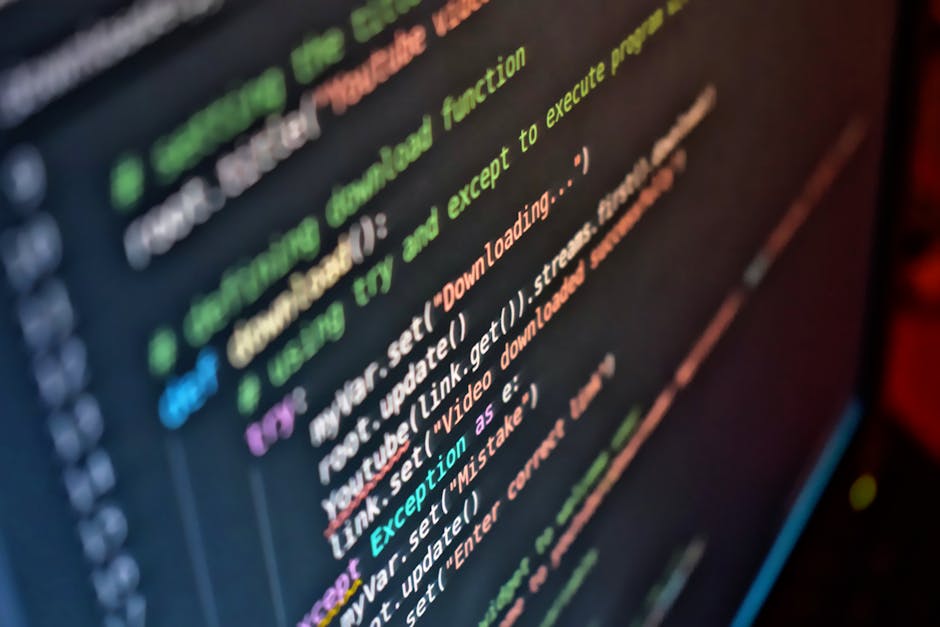
Learn to build a ReAct (Reasoning + Acting) agent that thinks through problems step-by-step using Claude's tool calling capabilities. This tutorial walks you through creating an agent that can use web search, perform calculations, and read files to answer complex questions.
Google's new Gemini 3.5 Flash model is matching or beating flagship models from OpenAI and Anthropic in several benchmarks—while delivering tokens 4x faster at a fraction of the cost. The performance gap between 'fast' and 'frontier' models is closing.
New Linux Foundation data reveals a dangerous disconnect: 97% of organizations are committed to AI deployment, yet 57% report critical gaps in their ability to secure it. This isn't a tooling problem—it's a readiness crisis that will separate winners from cautionary tales.
xAI launches Grok 4 with unprecedented reasoning capabilities, real-time web access, and multimodal understanding that puts it in direct competition with the latest from OpenAI and Anthropic.
An in-depth comparison of Anthropic's Claude Opus 4.5 and OpenAI's GPT-5 across coding, reasoning, creative writing, and real-world application performance.
A hands-on guide to building reliable AI agents using modern frameworks. Covers architecture patterns, tool use, memory systems, and deployment strategies that work in production.
AWS now offers direct access to Anthropic's Claude Platform using AWS credentials, but there's a critical data residency catch. Here's what developers need to know about this new integration versus using Claude on Amazon Bedrock.
While Elon Musk battles Sam Altman in federal court, he just rented his entire Memphis AI supercomputer to Anthropic. The deal exposes how compute capacity—not model performance—now defines competitive advantage in frontier AI.
OpenAI just released a Chrome extension that connects Codex directly into your browser, allowing agents to work across authenticated sessions and multiple tabs without commandeering your desktop. This moves AI agents closer to where modern work actually happens.
As AI coding agents move toward autonomy, companies face a paradox: build for the terminal or beyond it? Amp's answer—a remotely controllable CLI—suggests the terminal isn't dying. It's becoming the control surface for systems that run everywhere else.